Wondering whether Bryn Mawr feels more like a classic Main Line village, a convenient commuter stop, or a place with real day-to-day ease? The answer is a little bit of all three. If you are thinking about buying a home here, it helps to understand how Bryn Mawr functions beyond the listing photos. Let’s take a closer look at what it’s like to live here.
Bryn Mawr Has a Distinct Village Feel
Bryn Mawr is a compact Main Line community about nine miles west of Philadelphia. It does not have formal boundaries, and parts of Bryn Mawr extend into Radnor and Haverford townships, while the largest portion is in Lower Merion.
That matters when you are home shopping because the exact address can shape everything from local services to how a property is identified. In Bryn Mawr, people often identify more by village name than township name, so location details tend to matter at the property level.
Housing in Bryn Mawr Feels Layered
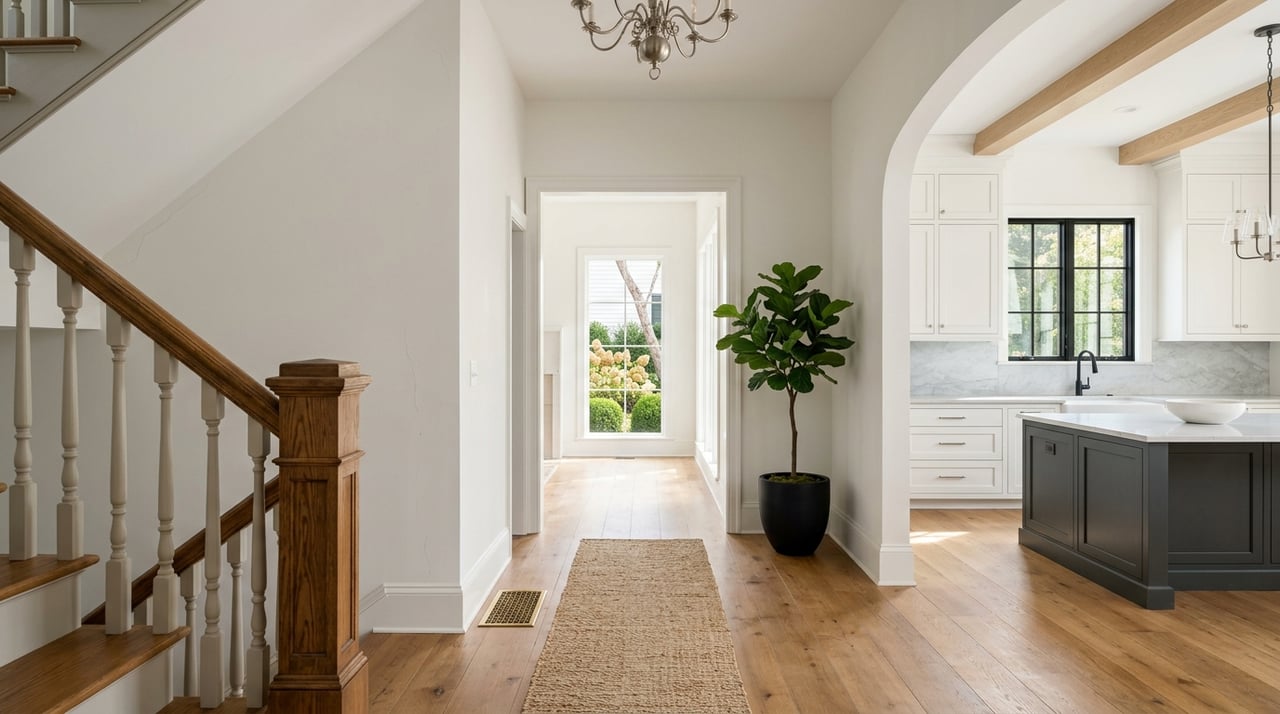
One of the biggest draws of Bryn Mawr is that it does not feel cookie-cutter. The area grew from a colonial farming landscape into a railroad-era resort and country-home suburb, which helps explain why the housing stock feels varied and established.
Instead of one dominant subdivision style, you will see an older, layered streetscape shaped by history, institutions, and long-term growth. For buyers, that often means choosing between homes with historic character, older architecture, and properties near a compact village core.
Historic Character Shapes the Area
Lower Merion’s historic resources are described as exceptionally diverse, and Bryn Mawr reflects that clearly. Landmarks like Harriton House, the Bryn Mawr Hotel building, and the historic Bryn Mawr College campus add visual depth and a strong sense of place.
If you enjoy architecture and neighborhoods with identity, Bryn Mawr stands out for that reason alone. It offers a setting where history is not tucked away in one corner, but woven into the area’s everyday look and feel.
Daily Life Is Convenient
Bryn Mawr’s commercial district packs a lot into a relatively compact area. According to Lower Merion Township, the village includes diverse shops, a historic movie theater, a convenient train station, colleges and schools, and a hospital nearby.
That mix helps make daily life practical. You can run errands, grab a meal, head to a film, or catch the train without needing to go far.
Parking Is Available, but Managed
If you drive, it is helpful to know that Bryn Mawr works with managed parking rather than endless open lots. Lower Merion documents 502 public parking spaces across eight lots in Bryn Mawr, plus 199 SEPTA surface-lot spaces near the station.
That setup supports the commercial core, but it also means convenience comes with a bit of structure. For many buyers, that is simply part of living in a walkable village environment rather than a spread-out retail corridor.
Nearby Shopping Adds Flexibility
Even though Bryn Mawr covers many everyday needs, you are not limited to the village itself. Lower Merion points to nearby commercial areas like Ardmore, Haverford, Suburban Square, and Wynnewood for additional shopping and services.
That broader network is part of Bryn Mawr’s appeal. You get a compact local center, plus easy access to other established Main Line destinations when you want more options.
Transit Is a Real Advantage
For many buyers, Bryn Mawr’s transit access is a major selling point. SEPTA’s Paoli/Thorndale line includes Bryn Mawr as a stop to and from Center City Philadelphia, giving residents a direct rail connection into the city.
Bryn Mawr also has access to the Norristown High Speed Line, which can begin or end at Bryn Mawr. Having two rail options gives the village more flexibility than many suburban communities.
Driving and Train Use Can Both Work
Bryn Mawr is not only for people who want to rely on the train. Lower Merion’s transit and parking materials show metered and longer-term parking options at Bryn Mawr Station, Central Bryn Mawr, Water Street, and other village locations.
That means the area can work well whether you commute by rail, drive regularly, or use a combination of both. It also connects into a wider Main Line station network that includes places like Haverford, Ardmore, Wynnewood, Narberth, Merion, and Rosemont.
Community Life Feels Active
Bryn Mawr has more going on than a simple downtown strip. One of its strongest identity anchors is Bryn Mawr College, whose campus features American Collegiate Gothic architecture along with arts programming, cultural performances, and visiting speakers.
The college also helps shape the rhythm of the area. Its own visitor information reflects a lifestyle that includes time in town and train trips into Philadelphia, which matches the blend of village life and city access many residents value.
Arts and Events Add Energy
The Bryn Mawr Film Institute brings year-round programming that includes independent, international, documentary, classic, alternative, and new films on four screens. For many residents, that kind of cultural resource makes the area feel more dynamic than a typical suburban commercial center.
Community events also help reinforce that sense of local activity. The Bryn Mawr Business Association highlights recurring events such as Bryn Mawr Day and Bryn Mawr on Ice, which help the village feel engaged and locally organized.
Outdoor Amenities Support Daily Living
Bryn Mawr is not all buildings, shops, and transit. The Bryn Mawr Community Center at 9 S. Bryn Mawr Avenue includes tennis courts, a tot playground, green space, a gazebo, meeting rooms, and the ElderNet facility.
That gives the area another layer of usability for everyday life. It is the kind of local amenity that can make a neighborhood feel more livable over time, not just appealing on a first visit.
Lower Merion also says the township has more than 40 recreation facilities across more than 700 acres. So while Bryn Mawr itself is compact, it sits within a larger suburban setting with access to parks and recreation.
Health Care Is Close By
Access to health care is another practical advantage. Main Line Health lists Bryn Mawr Hospital at 130 South Bryn Mawr Avenue, making full-service care part of the local landscape.
For buyers comparing suburban communities, that can be an important part of overall convenience. It adds to the sense that Bryn Mawr supports daily living without requiring long trips for essential services.
What Buyers Should Keep in Mind
Bryn Mawr tends to appeal to buyers who want a neighborhood with identity, convenience, and established character. It offers a compact commercial core, meaningful transit access, historic architecture, and strong institutional anchors.
At the same time, because Bryn Mawr does not have formal boundaries, you should pay close attention to the exact location of any home you are considering. In this market, street-by-street and address-level context can matter more than you might expect.
If you are comparing older homes with character, village-adjacent properties, or opportunities that balance history with convenience, Bryn Mawr gives you a lot to think about. It is one of those places where the lifestyle is shaped as much by layout, access, and architecture as by the home itself.
If you are considering a move to Bryn Mawr or anywhere along the Main Line, working with someone who understands local housing patterns, neighborhood nuances, and the differences between older homes and newer construction can make the search much clearer. Christine Langdon offers thoughtful, personalized guidance to help you find the right fit.
FAQs
What is Bryn Mawr known for as a place to live?
- Bryn Mawr is known for its historic Main Line character, compact village core, rail access to Philadelphia, landmark architecture, and strong local institutions such as Bryn Mawr College and Bryn Mawr Hospital.
What kind of housing can you find in Bryn Mawr?
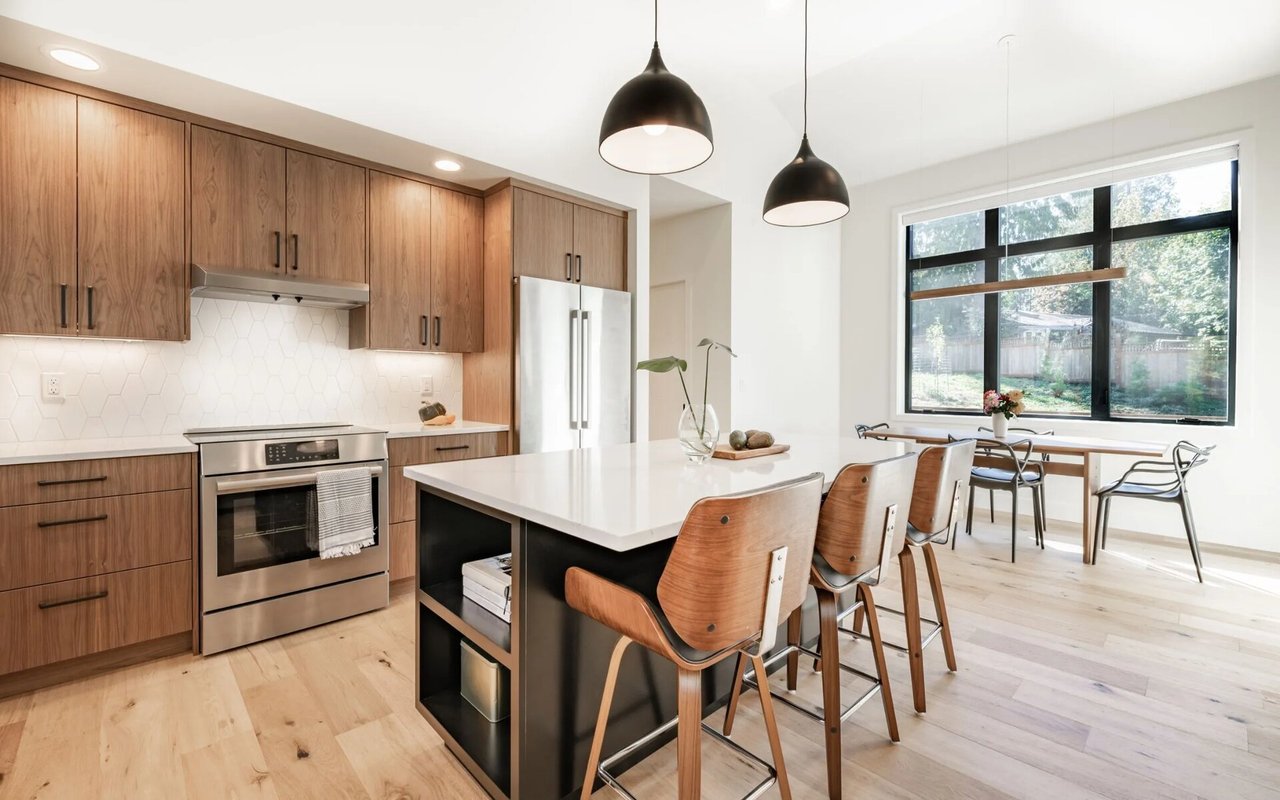
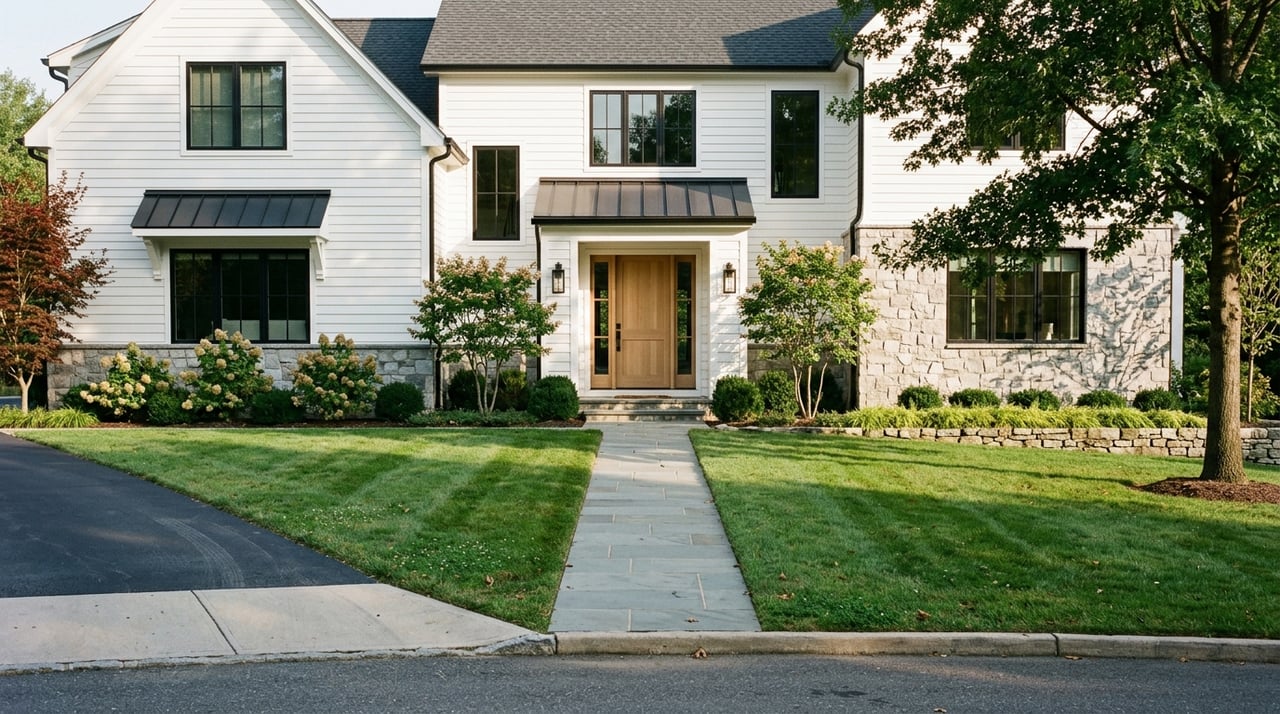
- Bryn Mawr has an older, layered housing pattern shaped by its colonial roots and railroad-era growth, so buyers often find homes with character, historic appeal, and varied architectural styles rather than one uniform development style.
Is Bryn Mawr convenient for commuting to Philadelphia?
- Yes. SEPTA’s Paoli/Thorndale line stops in Bryn Mawr for trips to and from Center City Philadelphia, and the Norristown High Speed Line also serves Bryn Mawr.
Does Bryn Mawr have walkable daily amenities?
- Bryn Mawr’s commercial district includes shops, a historic movie theater, a train station, and nearby health care in a compact setting, which supports day-to-day convenience.
Why do exact addresses matter in Bryn Mawr?
- Bryn Mawr has no formal boundaries and spans parts of multiple townships, so exact property location can affect how a home fits into the area and how it is commonly identified.