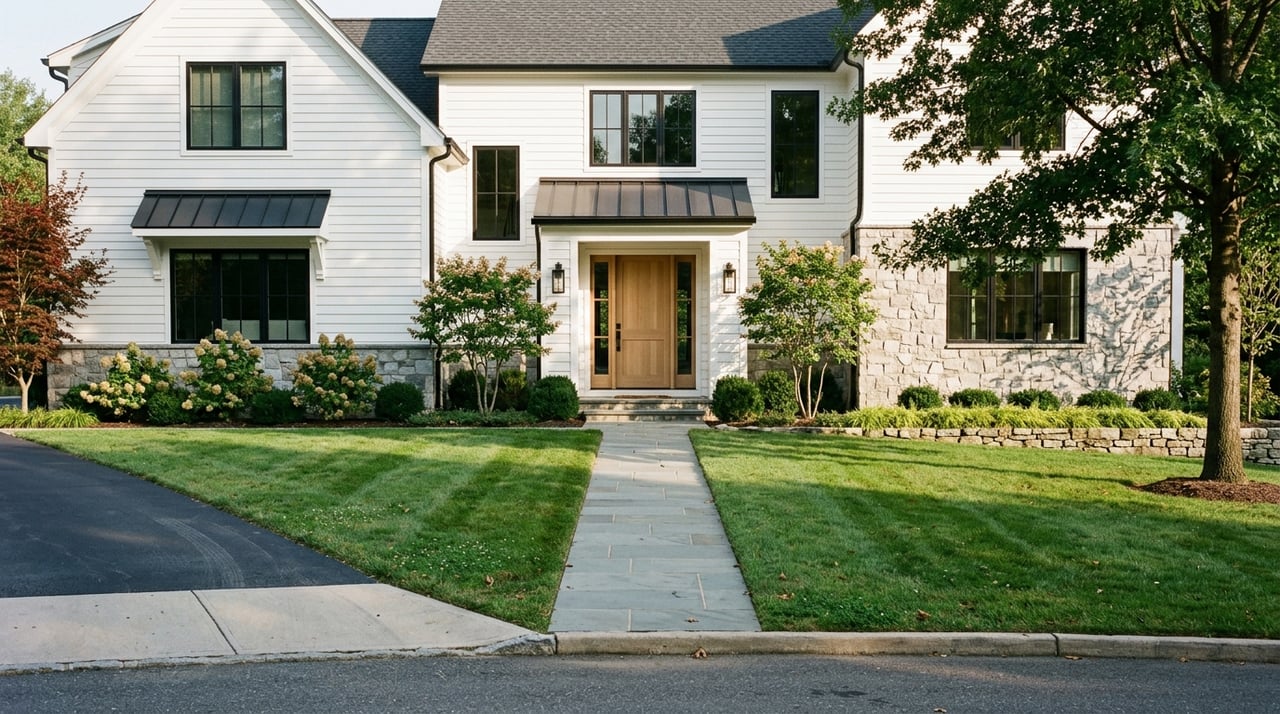
If you are torn between a storybook stone colonial and a sleek newer build in Bryn Mawr, you are not alone. In 19010, many buyers are weighing character, layout, upkeep, and long-term flexibility all at once. The good news is that each path offers real advantages, especially when you understand how Bryn Mawr’s housing stock and local review process shape your options. Let’s dive in.
Bryn Mawr’s housing mix
Bryn Mawr has a distinctly older housing base, and that matters when you start your search. Lower Merion reports that 84.83% of housing was built before 1980, and 34.18% was built before 1940, with some of the highest concentrations of older homes in areas including Bryn Mawr.
That helps explain why vintage homes feel so central to the local market. It also means true new-construction opportunities are often more limited and may show up as infill, teardown, or rebuild opportunities rather than large new subdivisions. In a smaller census place like Bryn Mawr, with 5,879 residents and 1,865 households, that limited supply can shape both timing and expectations.
Lower Merion also has a strong preservation framework. The township notes that nearly 400 properties are located in seven locally designated historic districts, and Bryn Mawr-area historic resources include places such as the Bryn Mawr College Historic District and Harriton Historic District.
What vintage charm really means
When buyers say they want a home with vintage charm, they are usually talking about more than age alone. They often mean original materials, distinctive craftsmanship, and a floor plan that feels rooted in another era.
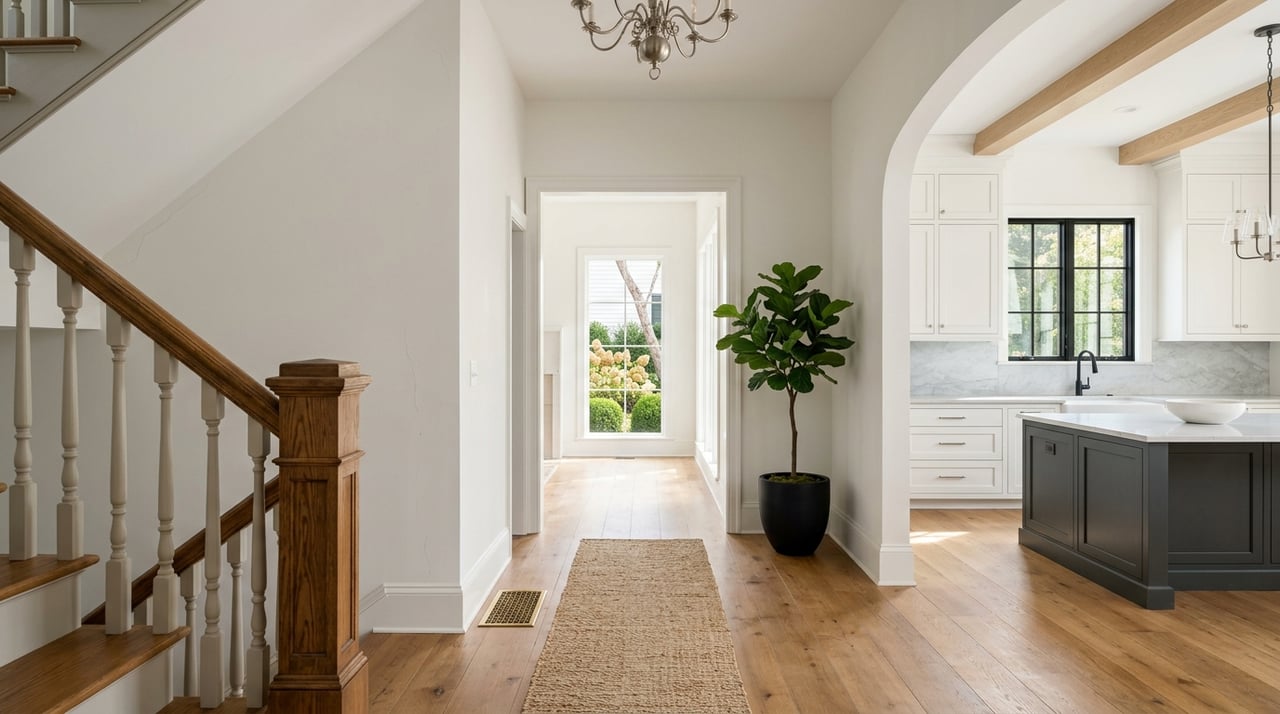
In practical terms, older homes often have more separated rooms, more formal circulation, and more visible architectural detail than newer homes. Preservation guidance emphasizes retaining a historic property’s existing form, materials, finishes, and spatial relationships, which helps explain why these homes often feel layered and individual.
For many buyers, that individuality is the appeal. A vintage Bryn Mawr home may offer architecture and personality that are hard to replicate in newer construction, along with a strong connection to the area’s established residential character.
Why buyers choose vintage homes
Vintage homes often appeal to buyers who want a home that feels one of a kind. If you enjoy original details, traditional room layouts, and a sense of place, an older property may feel more emotionally compelling from the start.
There can also be a broader community benefit to maintaining and updating existing homes. The EPA notes that renovating existing or historic buildings can help maintain local character and sense of place, while also serving as a more sustainable alternative to new site redevelopment.
That does not mean every older home is move-in ready in a modern sense. It does mean that if you value architecture and are comfortable planning updates over time, a vintage home can be a very rewarding fit.
What new construction usually offers
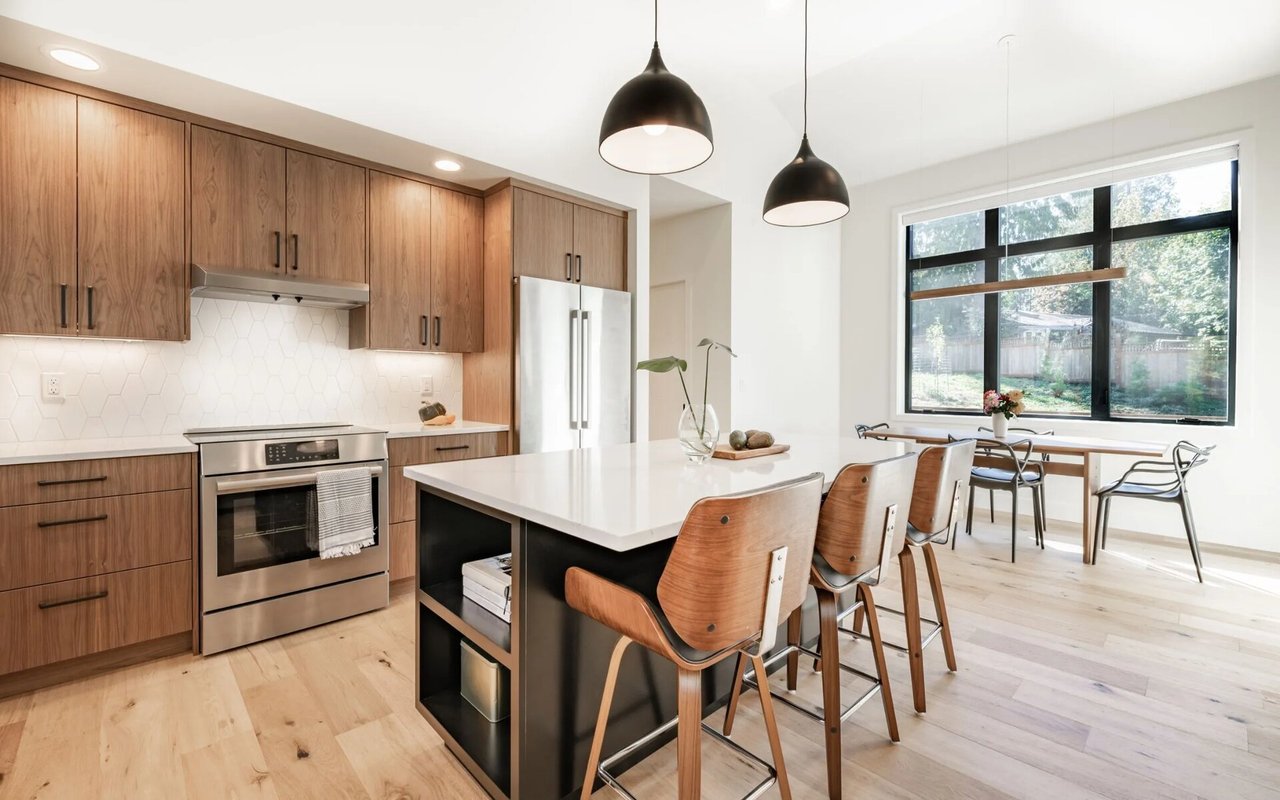
Newer homes tend to win buyers over with convenience and function. They often emphasize open layouts, kitchen and family room flow, dedicated laundry rooms, more storage, walk-in pantries, and built-in technology features.
Builder guidance also points to features such as programmable thermostats, video doorbells, multizone HVAC systems, Energy Star appliances, and Energy Star windows. For many buyers, those features support a simpler day-to-day experience and fewer immediate projects after closing.
There is also more predictability in how these homes live. New construction is not always fully custom, but many homes allow buyers to select from a menu of standard and optional finishes such as flooring, cabinetry, countertops, fixtures, and appliances.
Why buyers choose newer homes
If your priority is efficiency, flow, and lower near-term maintenance, a newer home may be the better answer. The U.S. Department of Energy says certified efficient new homes are built to rigorous requirements for energy savings, comfort, health, and durability.
That can translate into more predictable utility and maintenance costs. It can also mean you spend less time on early repairs and more time enjoying the home.
New construction is also not automatically oversized. NAHB reports that the average size of a new home fell to 2,411 square feet in 2023, the smallest average in 13 years, so the real comparison is often not old versus huge. It is often character and separation versus efficiency and intentional flow.
Layout differences to expect
One of the clearest differences between vintage and newer homes is layout. In many older homes, rooms are more separate and defined, with a more formal pattern of movement from one area to the next.
In newer homes, the design usually feels more connected. Open kitchen, dining, and living spaces are common, which can make everyday living and entertaining feel easier if you prefer shared gathering areas.
Neither format is better across the board. The right choice depends on how you live, how much privacy you want between spaces, and whether you see your home as a place for ongoing design projects or immediate simplicity.
Maintenance in older Bryn Mawr homes
Charm often comes with a to-do list. In older homes, insulation and heating systems are common early focus areas because many houses were built to very different energy standards than what buyers expect today.
The Department of Energy notes that older homes often have less insulation than homes built today, and older fossil-fuel furnaces and boilers can be far less efficient than modern systems. That makes inspections especially important if you are considering a vintage property in Bryn Mawr.
It is wise to pay close attention to:
- Insulation levels
- HVAC age and condition
- Ductwork
- Ventilation
- Signs of deferred maintenance
If the home was built before 1978, renovation planning also needs to account for lead-safe work practices. The EPA says contractors renovating or repairing housing built before 1978 must comply with the Lead Renovation, Repair and Painting Rule and should assume paint is lead-based unless testing shows otherwise.
Renovation and permit planning
If you buy an older home with plans to update it, design is only part of the picture. In Lower Merion, permits and approvals can affect both your renovation budget and your timeline.
Pennsylvania’s Uniform Construction Code says owners generally need a construction or building permit before starting work, and inspections are required for many residential changes and system replacements. Lower Merion’s Building Division handles building permits and contractor licenses, while the Planning Division handles certificates of appropriateness, land-development items, and related approvals.
If a property is located in a historic district, exterior changes may also require HARB review and a Certificate of Appropriateness. That can affect materials, design choices, and scheduling, so it is important to understand those steps before you commit to a project.
New construction in Bryn Mawr
Because Bryn Mawr is established and built out, newer inventory tends to be more selective. Rather than expecting a large pipeline of new neighborhood releases, you may be looking at scattered new homes, rebuild opportunities, or sites where older homes are replaced with something newly built.
That makes local guidance especially useful. If you are considering new construction in this market, it helps to evaluate not just finishes and floor plans, but also lot context, design fit, approval requirements, and resale potential.
This is where builder-informed insight can make a real difference. In a place like Bryn Mawr, new construction is rarely just about choosing a pretty kitchen. It is often about understanding the full picture behind the property.
How to decide which is right for you
The best choice usually comes down to how you want to live in the home over the next several years. A vintage home may suit you if you love architecture, appreciate room-by-room living, and are comfortable budgeting for updates over time.
A newer home may suit you if you want more immediate ease, stronger energy performance, and a layout designed around today’s routines. If you prefer a lower-maintenance start and more predictable systems, newer construction may feel less stressful.
A simple way to compare your options is to ask yourself:
- Do you want original character or a more streamlined finish package?
- Do you prefer separate rooms or open living spaces?
- Are you comfortable managing renovations and permit steps?
- Do you want fewer near-term projects after closing?
- Are you open to infill or rebuild opportunities if newer inventory is limited?
The Bryn Mawr bottom line
In Bryn Mawr, the decision is rarely about which type of home is universally better. It is about which tradeoffs fit your priorities best in a market known for older housing, preserved character, and more limited new-construction supply.
If you love craftsmanship and individuality, vintage homes can offer a compelling long-term match. If you want efficiency, flexibility, and less immediate upkeep, new construction may be the stronger fit.
The key is knowing what to look for before you fall in love with a house. In a market like Bryn Mawr, informed guidance can help you see beyond the staging and focus on how a home will really perform for you over time.
If you are comparing vintage homes, newer construction, or potential rebuild opportunities in Bryn Mawr, Christine Langdon offers personalized guidance backed by Main Line expertise and hands-on new-construction knowledge.
FAQs
What types of homes are most common in Bryn Mawr?
- Bryn Mawr has a notably older housing stock. Lower Merion reports that 84.83% of housing was built before 1980 and 34.18% before 1940, with high concentrations of older homes in Bryn Mawr.
What does vintage charm usually mean in a Bryn Mawr home?
- In Bryn Mawr, vintage charm often refers to older homes with original materials, architectural detail, more separated rooms, and a more formal layout than many newer homes.
What features do newer Bryn Mawr homes usually offer?
- Newer homes often include open layouts, stronger kitchen-family room flow, more storage, dedicated laundry rooms, newer HVAC systems, and energy-focused features such as efficient windows and appliances.
What should buyers inspect first in an older Bryn Mawr home?
- Buyers should pay close attention to insulation, HVAC age, ductwork, ventilation, and any signs of deferred maintenance, since those are common areas where older homes may need updates.
What should Bryn Mawr buyers know about renovating older homes?
- In Lower Merion, many residential changes and system replacements require permits and inspections, and homes in historic districts may also need HARB review and a Certificate of Appropriateness for exterior work.
Are new-construction homes easy to find in Bryn Mawr?
- New-construction opportunities are generally more limited in Bryn Mawr and often appear as infill, teardown, or rebuild situations rather than large subdivision communities.