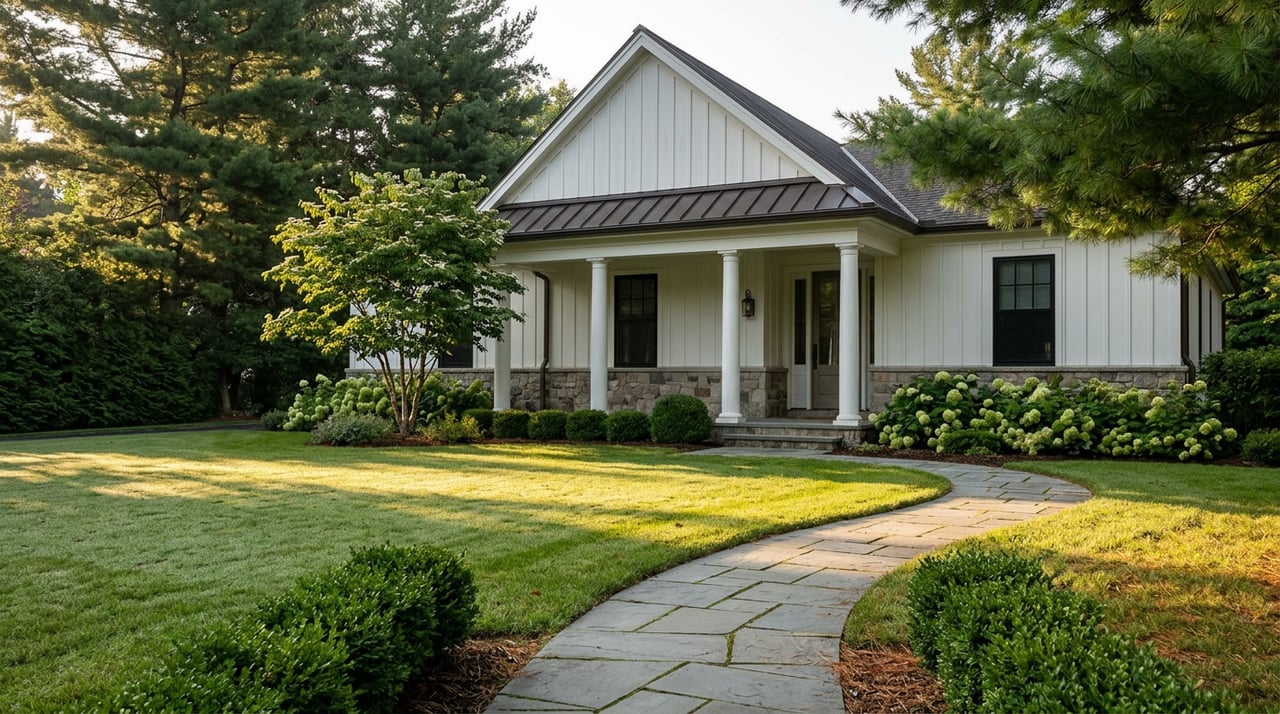
Every seller assumes the same thing about closing day: the house is the thing being reviewed. The inspection covers the roof, the furnace, the electrical panel. Once the buyer's satisfied, the rest is paperwork.
In Radnor Township, that assumption is only half right. Before any residential property can legally change hands, the Township requires a Certificate of Occupancy, and two of the three things it checks have nothing to do with what's inside the walls. One is the public sidewalk in front of the house. The other is the sewer lateral running underneath the yard. Both are physical inspections, both are scheduled separately from anything a buyer's inspector does, and both can sit on the critical path to settlement if a seller treats the Certificate as a formality instead of a project.
The Easy Part First
Radnor's Certificate of Occupancy does include a paperwork piece, and it's the part most sellers picture when they hear "certificate." Both buyer and seller sign a statement confirming that smoke detectors are installed in every bedroom and on every level of the house, and that any sump pump or other groundwater discharge device has been disconnected from the sanitary sewer system. That's a form. It takes minutes to complete once the house is actually compliant.
The Township requires this for any residential or non-residential property changing hands by title, deed, or other legal transfer. It doesn't matter whether the home sits in a historic district or a subdivision built in the last decade. Every resale in Radnor goes through it.
Two Inspections That Never Touch the Kitchen
The part that catches sellers off guard is what happens after the paperwork. Filing the application triggers two physical inspections, both run by Township departments, both scheduled on their own timeline.
The first is a sidewalk check. Engineering inspects the public sidewalk abutting the property, and the standard is specific: any horizontal crack or a vertical elevation difference of more than half an inch is considered unsafe and must be replaced under a Township permit. A sidewalk that's been fine for twenty years of daily foot traffic can still fail this standard the week a house goes under agreement, because nobody was measuring it until the sale triggered the review.
The second is a sewer lateral inspection. The seller or the seller's agent has to contact the Public Works Department to arrange an internal and external inspection of the sanitary sewer line, looking for any illegal connections into the system. This isn't a visual walk-through. It's the kind of inspection that requires access to the property and coordination with a Township crew, arranged through the Engineering Department.
If either inspection turns up a problem, the Township mails a notice within three business days describing the violation and what's required to fix it. Once the seller corrects it, they have to request a reinspection in writing, and the Township conducts that reinspection within five business days of receiving the request. That's a realistic two-week round trip if something fails on the first pass, not counting however long the actual repair takes.
What It Costs, and When the Clock Starts
Here's where the numbers matter, because they're specific enough to plan around.
| Requirement | Who handles it | Cost or threshold |
|---|---|---|
| Certificate of Occupancy application | Filed by the seller with the Engineering Department | $150 standard fee |
| Late filing (10 days or less before settlement) | Seller | $300 expedited fee |
| Sidewalk replacement, if it can't be finished before closing | Township holds funds in escrow on the buyer's behalf | $300 per block |
| Certificate validity once issued | N/A | Good for 12 months |
The $300 expedited fee isn't a rush service that guarantees a faster inspection. It's the fee tier that applies when a seller files within ten days of settlement, regardless of how quickly the Township can actually get a crew out. Filing early is what buys time, not the extra fee.
The sidewalk escrow exists for a real reason. Concrete work is weather dependent, and a closing scheduled for December doesn't always line up with a window when sidewalk contractors can pour and cure new slabs. Radnor's ordinance accounts for that: where the Township determines that unique circumstances or weather conditions make it impossible to complete sidewalk repairs or install house numbers before settlement, it sets a dollar value for the outstanding work and the seller escrows that amount with the Township on the buyer's behalf. According to the current fee schedule, that escrow runs $300 per sidewalk block needing replacement, which the seller pays at closing rather than delaying the sale to wait for a contractor.
Why This Isn't Just a Radnor Quirk
Point-of-sale inspections tied to sewer laterals are becoming more common across the Philadelphia suburbs, not less. In early 2025, Warminster Municipal Authority in Bucks County adopted a similar requirement, tying its process to Pennsylvania's Municipal Code and Ordinance Compliance Act, which sets minimum standards for how municipalities can require repairs before a sale closes. Radnor's version predates that trend and bundles more into one certificate, sidewalks and smoke detectors alongside the sewer check, but the direction is the same. Township infrastructure that used to get reviewed on its own schedule is increasingly getting reviewed at the moment a property changes hands, because that's the point where a municipality has the most leverage to get something fixed.
For a seller, that means the certificate isn't paperwork you knock out the week of closing. It's closer to a mini home inspection run by the Township itself, on infrastructure the seller doesn't fully control the condition of but is still responsible for correcting.
Where This Fits Into an Actual Sale
For move-up sellers trading a Radnor home for something larger, or for anyone selling an older property along one of the Township's original sidewalk grids, the practical move is simple: file the Certificate of Occupancy application the same week the house goes under agreement, not the week before settlement. That gives Engineering and Public Works enough runway to inspect, and gives you enough runway to fix anything they flag without touching the closing date.
It also means walking the sidewalk in front of the house before a buyer ever sees it, with a tape measure if needed. A half inch doesn't sound like much until it's the reason a settlement gets pushed two weeks for a reinspection that could have been avoided.
For buyers of new construction in Radnor, this process typically doesn't apply in the same way, since a newly built home clears its own occupancy inspection through the building permit process rather than the resale transfer procedure. That's one more small distinction worth understanding if you're comparing a resale purchase to a new build in the same township, and it's the kind of detail that matters more than it looks like on paper when you're timing a purchase against a sale.
A Few Direct Questions
Does the buyer have to do anything for the Certificate of Occupancy? Buyers sign the same certification statement sellers do, acknowledging that smoke detectors are present and the sump pump isn't tied into the sanitary sewer. The application itself, and the inspections that follow it, are the seller's responsibility.
What happens if the sewer inspection finds an illegal connection? The Township sends written notice within three business days describing the issue and what's needed to fix it. Once repaired, the seller requests a reinspection in writing, and the Township completes that reinspection within five business days.
How long is the Certificate good for once it's issued? Twelve months from the date of issuance, which matters if a sale falls through and gets relisted within the year.
Is there any way to speed up the process if I'm already close to settlement? Filing within ten days of settlement triggers a $300 fee instead of $150, but that fee doesn't shorten how long the physical inspections take. The only real way to protect a closing date is to file early.
Every township on the Main Line runs its own version of point-of-sale review, and the details rarely show up on a listing sheet. If you're planning a sale in Radnor Township, or comparing what a resale closing actually involves against a new construction purchase nearby, Christine Langdon has spent years closing both kinds of deals in this market and can walk through what your specific property and timeline will require. Let's Connect.