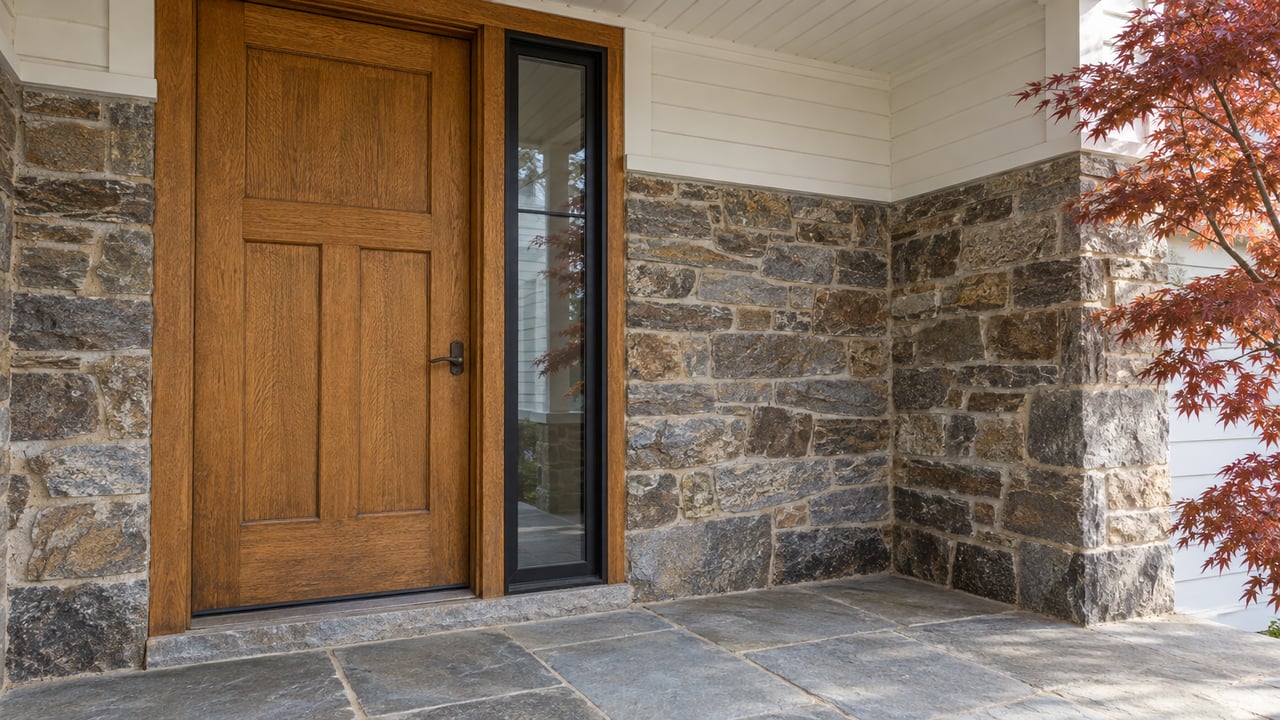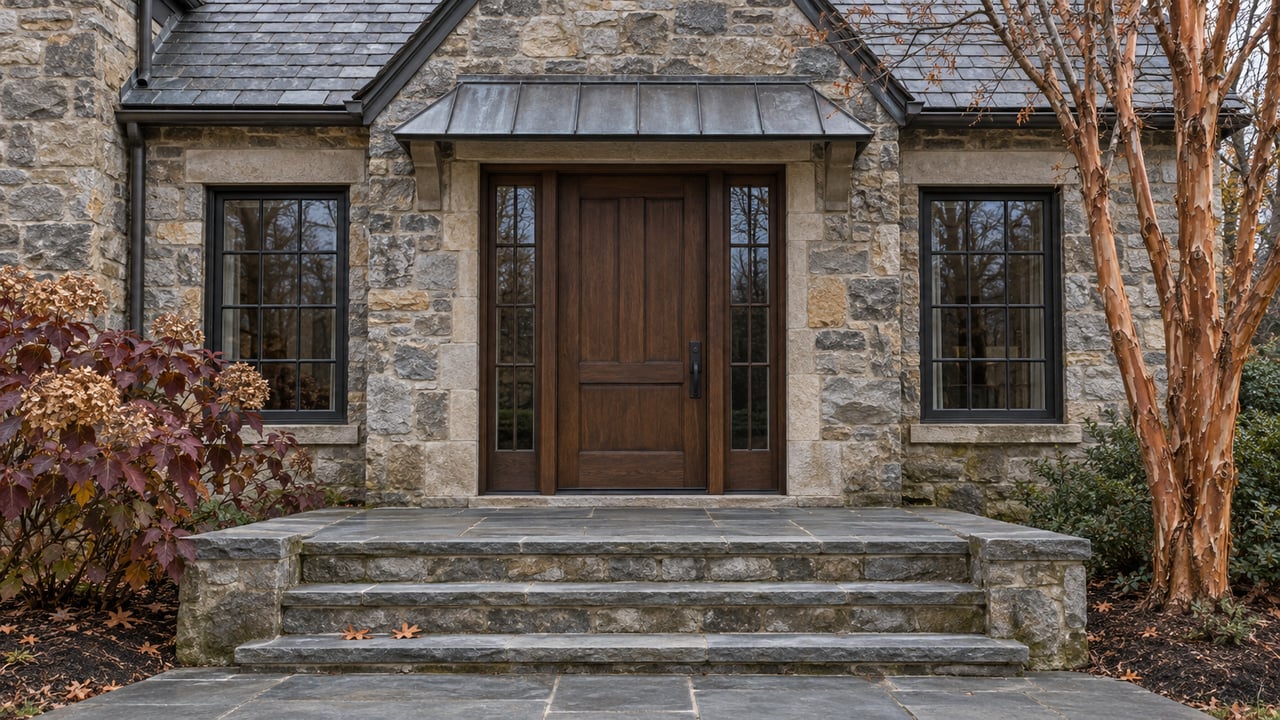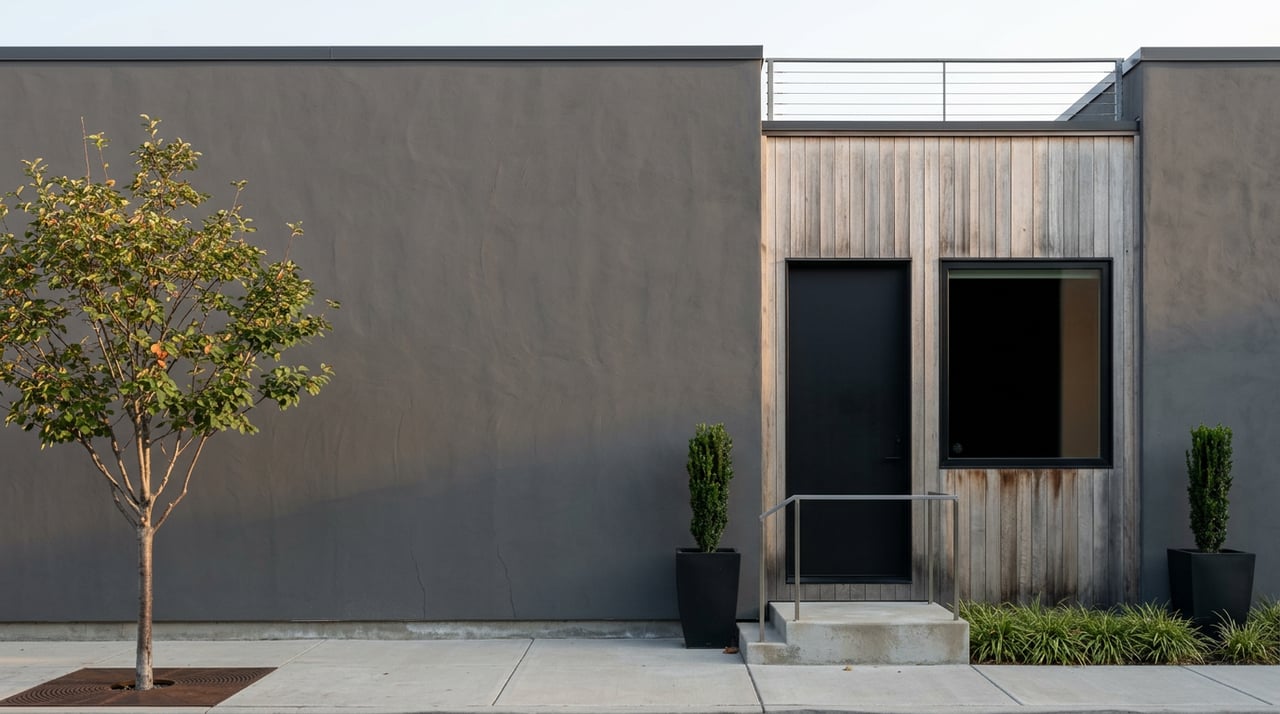
Two buyers stand in front of two nearly identical new construction rowhomes on the same block, listed at the same price, both advertised with the same phrase: ten-year tax abatement. On paper, they look like the same deal. They are not. One home's abatement was filed before the end of 2021, and Nochumson P.C. says it locks in a flat exemption for a full decade. WHYY reports that the other was filed on or after January 1, 2022, and starts shrinking the moment year two begins. Same price. Same neighborhood. Two entirely different tax bills, year over year, for a full ten years.
That gap is the thing most buyers never ask about, and it is worth more in real dollars than most of the cosmetic differences they will spend their tour comparing.
The abatement split into two schedules in 2022—here's how to tell which one applies
Philadelphia's abatement program has run since 2000, giving new construction and substantial rehab projects a break on the taxable value of the improvement itself. For years, that meant a straightforward deal: build or buy new, get a full exemption on the added value for ten years, then pay full freight. City Council changed that structure for applications filed on or after January 1, 2022. Anything filed before that date kept the old, flat 100 percent exemption for the entire ten-year term. Anything filed on or after that date gets 100 percent only in year one, then loses ten percentage points of that exemption every year after, until it reaches 10 percent in year ten, then ends after year ten.
Both versions still get called a "ten-year tax abatement" in listing sheets and open house conversations. They are not the same financial instrument, and the difference compounds every single year you own the home.
The city's own property tax abatement page confirms the mechanics but doesn't do the arithmetic for you. So here it is, using the same land and building figures that show up in the standard abatement worked example: a home built on land assessed at $100,000, with the building itself assessed at $400,000, taxed at the city's current combined rate of 1.3998 percent, which the Philadelphia Department of Revenue lists as the current rate.
| Year | Pre-2022 filing (flat) | Post-2022 filing (declining) |
|---|---|---|
| 1 | $1,400 | $1,400 |
| 2 | $1,400 | $1,960 |
| 3 | $1,400 | $2,520 |
| 4 | $1,400 | $3,080 |
| 5 | $1,400 | $3,640 |
| 6 | $1,400 | $4,200 |
| 7 | $1,400 | $4,760 |
| 8 | $1,400 | $5,320 |
| 9 | $1,400 | $5,880 |
| 10 | $1,400 | $6,440 |
| 11 (abatement ends) | $7,000 | $7,000 |
Run the ten-year total and the pre-2022 buyer pays $14,000 in property taxes across the entire decade. The post-2022 buyer, on an identical home, pays roughly $39,200 over the same ten years. That's close to $25,000 in additional carrying cost, on paper twin properties, purely because of when an application landed on someone's desk.
Neither number is a guess. Both come directly from the phase-down schedule the city adopted and the land-to-building assessment ratio used in the standard illustration of how the program works. The only variable is the filing date, and that date is a matter of public record at the Office of Property Assessment. It is also, in practice, the single question most buyers never think to ask before they fall for a kitchen.
The transfer tax just went up, and it doesn't care about any of this
While that phase-down schedule quietly compounds in the background, PhillyVoice reports that City Council raised the Realty Transfer Tax from 3.27 percent to 3.57 percent as part of the fiscal year 2026 budget it approved in June 2025. On a $400,000 sale, the 0.30 percentage point increase adds roughly $1,200 to the transfer tax. It is a real, immediate number that shows up on the closing statement the same week the buyer is also trying to work out which abatement schedule they inherited.
None of this makes new construction a bad decision. It makes new construction a decision that depends on a filing date most people never see mentioned in a listing description.
Why this changes the resale-versus-new comparison
Here is where the mechanism actually earns its place in a buying decision. A resale home that already carries a pre-2022 abatement with, say, six years remaining is still locked into that flat $1,400-a-year path for the rest of its term, and the Philadelphia Code says the exemption does not terminate upon sale. A brand new build going under contract today, with an abatement application filed in 2026, starts the declining schedule from day one. On pure near-term carrying cost, the older home with a grandfathered abatement can be the better tax position, even though it is not the newer product.
This is the comparison most buyers skip entirely because they assume newer construction automatically means a better tax deal. Sometimes it does. Sometimes the opposite is true, and the only way to know is to ask for the filing date and run the schedule.
The stakes for getting this comparison right are higher this year than they have been in a while. The region's median home sale price hit a record $430,000 through July 2026, according to Bright MLS data reported by Axios, even as overall sales in the region fell about 1 percent year over year through the same period. Drexel University economist Kevin Gillen, quoted in that same reporting, expects the broader market to stay sluggish until inventory rises and interest rates fall. When affordability is already stretched, an extra $25,000 spread across a decade of ownership, or an extra $1,200 at the closing table, is not a rounding error.
Where the policy goes from here, and why it isn't settled
There is a wrinkle worth watching, even though it is not yet law. Mayor Cherelle Parker has pushed for a 20-year abatement aimed specifically at converting empty office buildings, vacant schools, and other underused commercial properties into housing, arguing the city still has upwards of 15 million square feet of underused office and industrial space to work with. As of late May 2026, that legislation still had not been introduced to City Council, caught up in a separate and much more contentious fight over school closures and the school district's budget deficit. Council President Kenyatta Johnson has said he's open to the idea in principle, but wants any expanded abatement to come with affordability requirements attached, not simply hand a longer tax break to developers with no strings.
If that 20-year conversion abatement eventually passes, it could reshape where new residential inventory comes from in parts of Center City over the next several years, particularly buildings that would otherwise sit vacant. Until it does, it changes nothing about a buyer's math today. Worth watching, not worth planning around yet.
Three questions worth asking on every "abated" tour
- What is the exact filing date on this property's abatement application, and was it filed before or after January 1, 2022?
- If it's a post-2022 filing, what does the actual dollar phase-down look like year by year, not just "ten years"?
- Has the Office of Property Assessment reassessed the land or building value since the abatement was filed, since either can shift the numbers on this schedule mid-stream?
Ask the seller's agent or builder representative for the filing date. If it isn't readily available, ask where to find it.
A few common questions
Can a buyer purchasing a resale home keep the seller's existing abatement? The abatement stays with the property, not the person, so a qualifying resale buyer generally continues on whatever schedule the original filing established, whether that's the flat pre-2022 version or the declining post-2022 version.
Is the 20-year office conversion abatement something buyers should factor into a decision today? Not yet. As of late May 2026, the legislation had not been introduced to City Council and its outcome is unresolved, so it shouldn't drive a purchase decision made now.
The sticker price on a Philadelphia listing tells you what you're paying on day one. The abatement schedule tells you what you're actually paying by year five, and the two numbers are rarely the ones a buyer walks in expecting to compare. If you're weighing a new build against a resale with an existing abatement, or trying to figure out what a specific filing date actually means for your tax bill over the next decade, that's exactly the kind of question worth working through before you write an offer. Christine Langdon has spent years working alongside a Main Line builder on exactly this kind of land and construction detail, and would be glad to walk through the numbers on a specific property with you. Let's connect.
This article is general information, not legal, tax or financial advice. Consult a qualified professional about your situation.