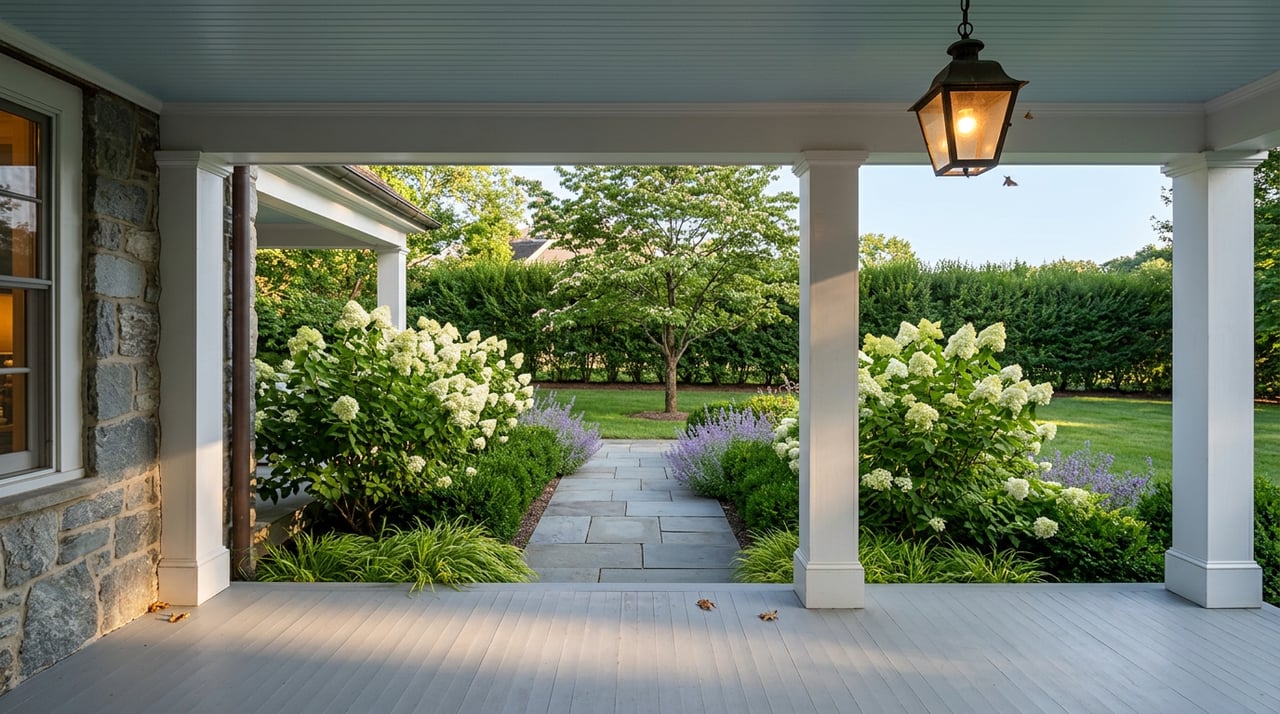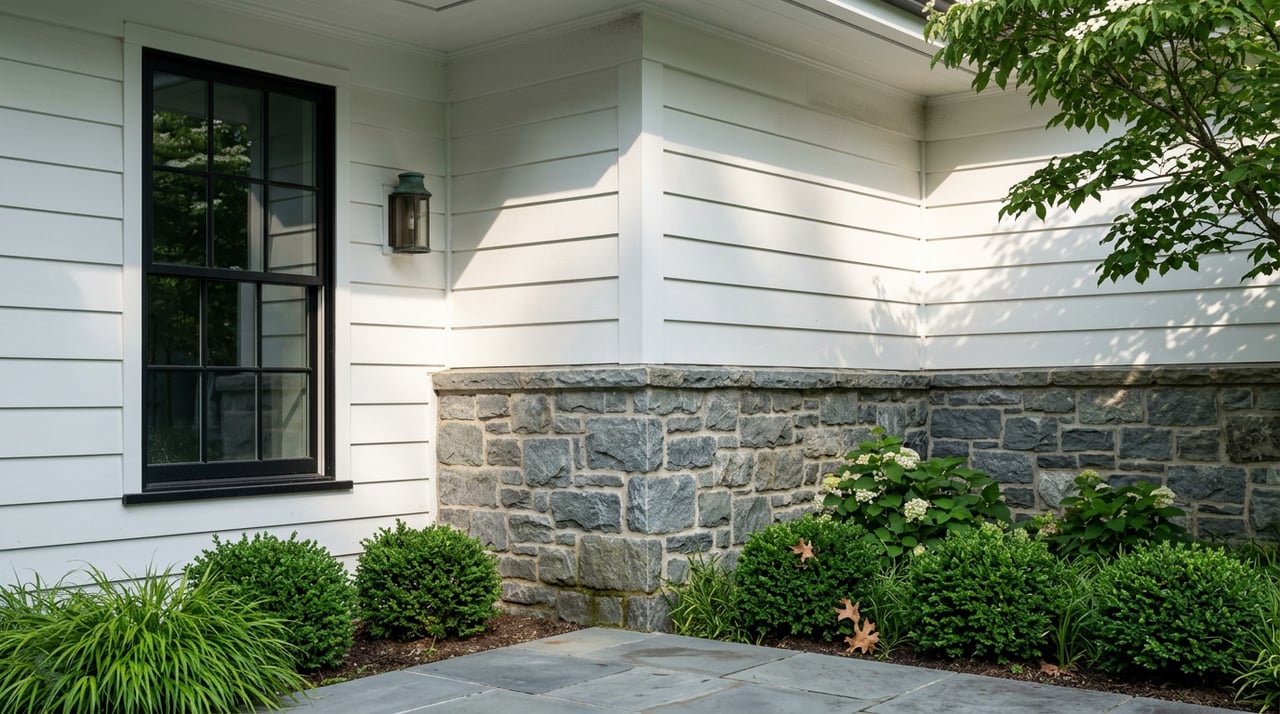
What happens when the same piece of clapboard has to satisfy two different governments at once?
That's not a hypothetical for anyone selling a home inside one of Media Borough's three historic districts. A seller on a street in Courthouse Square, Lemon Street, or the Providence Friends' Meeting House District can pass every safety item on the borough's use and occupancy checklist and still find the closing waiting on a second approval that runs on its own calendar, answers to a different law, and was never designed with a settlement date in mind. Most sellers only learn this once they're already under contract.
The Inspection Every Media Sale Has to Clear
Every change of ownership in Media Borough triggers a use and occupancy inspection. The borough's code enforcement department requires the inspection at the point a property changes hands, and a Certificate of Occupancy isn't issued until the dwelling is brought into compliance with the applicable codes. This is Ordinance 914 of the borough's general code, and it applies borough-wide, whether the house is a 1960s split-level on the edge of town or a Victorian two blocks from the courthouse.
Media also runs a sidewalk inspection program that's been in place since 2001, under Ordinance 703. If a borough-owned street tree has heaved the slab in front of a listing, that's a repair a seller may need to address, though the borough's Sidewalk Rebate Program exists specifically to help offset that cost when the damage traces back to a borough tree rather than ordinary wear.
None of this is unusual for the Philadelphia suburbs. What is worth understanding is what happens when the inspection turns up something that isn't ready.
Why a Failed Inspection No Longer Stops a Closing
Before 2017, a borough finding a code violation during a point-of-sale inspection could effectively freeze a transaction. Inspectors sometimes withheld a use and occupancy certificate over the kind of issue that has nothing to do with whether the house is safe to live in, and settlements got delayed or fell apart because a seller couldn't complete repairs before the closing date.
Pennsylvania's legislature fixed that with the Municipal Code and Ordinance Compliance Act. Act 133 of 2016 amended MCOCA so that a municipality cannot deny a use and occupancy certificate based on the results of a point-of-sale inspection alone. If violations turn up, the borough issues the certificate anyway, and the buyer and seller get up to twelve months to negotiate who fixes what and when. Only a "substantial violation," defined narrowly as a condition that makes the property genuinely unfit for habitation, triggers a different outcome: a temporary access certificate that lets the new owner in to make repairs but bars occupancy until the dangerous condition is resolved.
Act 93 of 2024 refined the law further, clarifying how it applies when a rental property with tenants in place changes hands, so code enforcement isn't forced to displace renters simply because a substantial violation was found during a sale.
The practical effect for a Media seller: a failed use and occupancy inspection is rarely the thing that actually blows up a closing date anymore. State law built in a release valve.
The Approval MCOCA Doesn't Touch
Here's the part that catches people off guard. Homes inside Media's three historic districts also fall under the authority of the borough's Historic Architectural Review Board, and HARB doesn't operate under MCOCA at all. It operates under a completely separate state law, the Historic District Act of 1961, which gives a municipality's governing body the power to require a Certificate of Appropriateness before any exterior work visible from a public street can proceed, whether that's new siding, a replacement window, a different roof material, or a repainted trim color in some jurisdictions. The statute's text is explicit that no permit for the erection, reconstruction, alteration, restoration, or demolition of a building in the district can be issued until a certificate of appropriateness has been granted.
Media's own historic district authority traces to a borough ordinance that established HARB and its review power over exterior alterations in Courthouse Square, Lemon Street, and the Providence Friends' Meeting House District. That review is about whether the proposed work fits the historic character of the district, and it comes with none of the twelve-month grace period MCOCA guarantees for code violations. A HARB review board weighs design, material, and appropriateness on its own timeline, and boards like this typically meet on a monthly cycle rather than an as-needed one, which means missing a single meeting date can push a repair by weeks, not days.
So the same exterior repair that a use and occupancy inspector flags, and that MCOCA protects a seller from having to rush, can simultaneously require a HARB application, a board review, and a certificate of appropriateness before a permit for that repair is even issued. Two governments, two laws, two clocks. Only one of them promises you time.
| Use & Occupancy Inspection | HARB Certificate of Appropriateness | |
|---|---|---|
| Triggered by | Change of ownership, borough-wide | Exterior work visible from a public street, historic districts only |
| Governing law | Ordinance 914, protected by MCOCA (state law) | Ordinance establishing HARB, under the state Historic District Act of 1961 |
| What's reviewed | Safety and code compliance | Design, material, and historic appropriateness |
| Compliance window | Up to 12 months for non-substantial violations | No statutory grace period |
| Who decides | Borough code enforcement | HARB recommendation, borough council approval |
What This Means for a Seller in the Historic Districts
If a listing sits inside Courthouse Square, Lemon Street, or the Providence Friends' Meeting House District, the smart sequence looks different from a standard sale elsewhere in the borough.
- Schedule the use and occupancy inspection as early as possible, not after an offer is already in hand.
- If the inspection flags anything exterior, ask before assuming MCOCA's twelve-month window covers you: does this repair also change something visible from the street?
- If it does, find out whether that work needs a Certificate of Appropriateness before it goes on a HARB agenda, not after.
- Build the board's meeting calendar into your closing timeline the same way you'd build in an appraisal contingency.
- Confirm with the borough which of the three districts, if any, the specific parcel actually sits in. District boundaries don't always match what a listing description implies.
Media's housing stock makes this more relevant than it might first appear. Much of the borough's oldest housing dates to the 19th century, a legacy of the town's original brick-focused rebuilding push after an early fire, and many of those Victorian, Queen Anne, and American Foursquare homes sit precisely inside the districts HARB was created to protect. A new-construction buyer weighing a teardown lot against an existing home in Media should ask the historic district question before either signing a contract or budgeting for exterior work.
The ZIP Code Adds Its Own Confusion
One more wrinkle worth knowing before you list or make an offer: a Media mailing address, ZIP code 19063, actually spans nine separate municipalities. A property with a Media address isn't automatically inside Media Borough itself. It could sit in a neighboring township entirely, subject to that township's own code enforcement, its own inspection requirements, and none of the historic district rules discussed here. Confirming the actual governing municipality, not just the mailing address, is a five-minute phone call that can save weeks of surprise later in a transaction.
A Few Direct Questions
Does every home sale in Media Borough require a use and occupancy inspection? Yes. Ordinance 914 requires the inspection at every change of ownership, regardless of whether the property is in a historic district.
Can a seller skip HARB review if the buyer doesn't plan any exterior changes right away? The review is triggered by proposed exterior work, not by the sale itself. If no exterior alteration is planned, HARB isn't part of the transaction. It becomes relevant the moment a repair, replacement, or renovation touches anything visible from the street.
Who pays for repairs found during the use and occupancy inspection? Under the standard Pennsylvania agreement of sale, this is typically the seller's responsibility, though buyers and sellers remain free to negotiate the specifics, since MCOCA protects the timeline, not the cost allocation.
Is a HARB review only about big renovations? No. Replacement windows, roofing material, and even repainted trim can fall under review in districts like these, depending on what's visible from the public way. The scope is about visibility and impact on historic character, not the size of the project.
Where Local Knowledge Actually Pays Off
None of this shows up on a listing sheet. It shows up in the gap between what a seller assumes and what two different governments actually require, and that gap is exactly where a transaction can slip past its closing date without anyone doing anything wrong.
If you're weighing a sale or purchase inside Media Borough, especially a historic property where exterior work might be part of the picture, Christine Langdon can help you map the actual timeline before you're locked into one. Let's Connect.